This module will be available no later than October 1st, 2026. You will receive an email when the module is available.
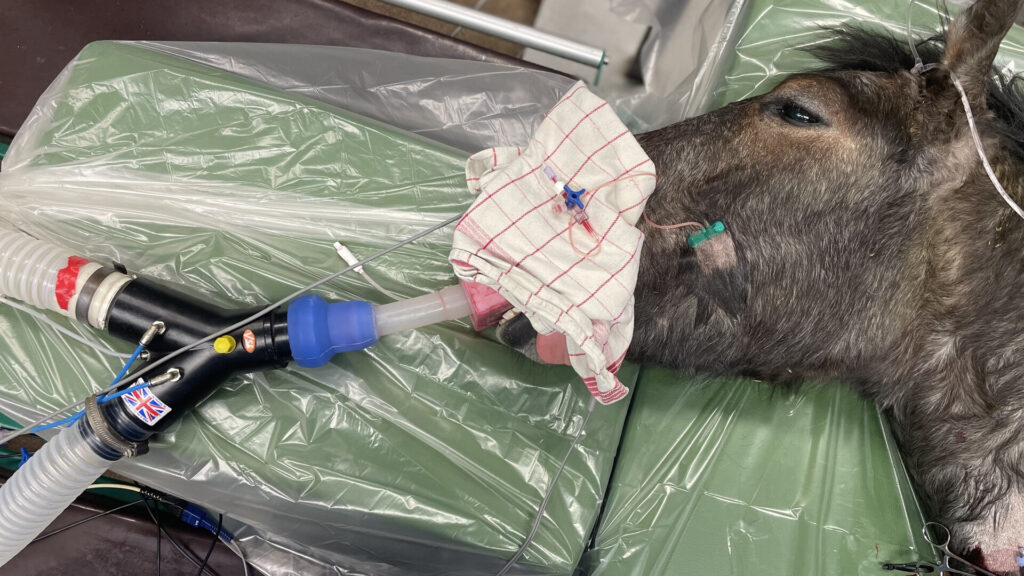
Foals present unique anesthetic challenges because of their physiological immaturity, limited physiological reserves, and the frequent presence of concurrent systemic disease. Anesthetic management therefore requires careful patient assessment, age-appropriate drug selection, close monitoring, and anticipation of rapid changes in cardiovascular, respiratory, metabolic, and thermoregulatory status. This module provides a practical framework for adapting anesthetic protocols to neonatal and pediatric equine patients.
Topics include:
- Physiological differences – understanding age-related differences in cardiovascular, respiratory, hepatic, renal, metabolic, and thermoregulatory function that influence anesthetic risk and drug handling.
- Risk assessment – evaluating hydration, perfusion, glucose status, respiratory function, sepsis, prematurity, congenital abnormalities, and concurrent disease before anesthesia.
- Pre-anesthetic stabilization – identifying abnormalities that should be corrected or optimized before induction whenever possible, including hypoglycemia, dehydration, electrolyte disturbances, and impaired oxygenation.
- Drug selection – choosing sedatives, induction agents, anesthetics, and analgesics with consideration for altered pharmacokinetics, pharmacodynamics, and reduced physiological reserves.
- Induction and maintenance – adapting anesthetic techniques to the size, age, clinical status, and procedure while minimizing cardiovascular and respiratory depression.
- Monitoring adjustments – placing greater emphasis on oxygenation, ventilation, blood pressure, glucose, temperature, perfusion, and anesthetic depth throughout the procedure.
- Fluid and metabolic management – maintaining appropriate circulating volume while avoiding fluid overload and monitoring glucose and electrolyte balance when indicated.
- Temperature management – recognizing the increased risk of hypothermia and implementing active measures to maintain normal body temperature.
- Pain management – providing effective multimodal analgesia while selecting drugs and doses appropriate for neonatal and pediatric patients.
- Recovery management – maintaining warmth, oxygenation, glucose homeostasis, and cardiorespiratory stability during recovery, with continued observation until the foal is able to maintain normal function independently.
- Management of high-risk foals – adapting protocols for critically ill, septic, premature, or compromised foals in which even relatively minor anesthetic disturbances may have significant consequences.
General information:
- Teacher: Janny de Grauw
- Duration: Min 1.5 hours
Janny de Grauw, DVM, PhD, Dip ECVAA, MRCVS