This module will be available no later than November 15, 2026. You will receive an email when the module is available.
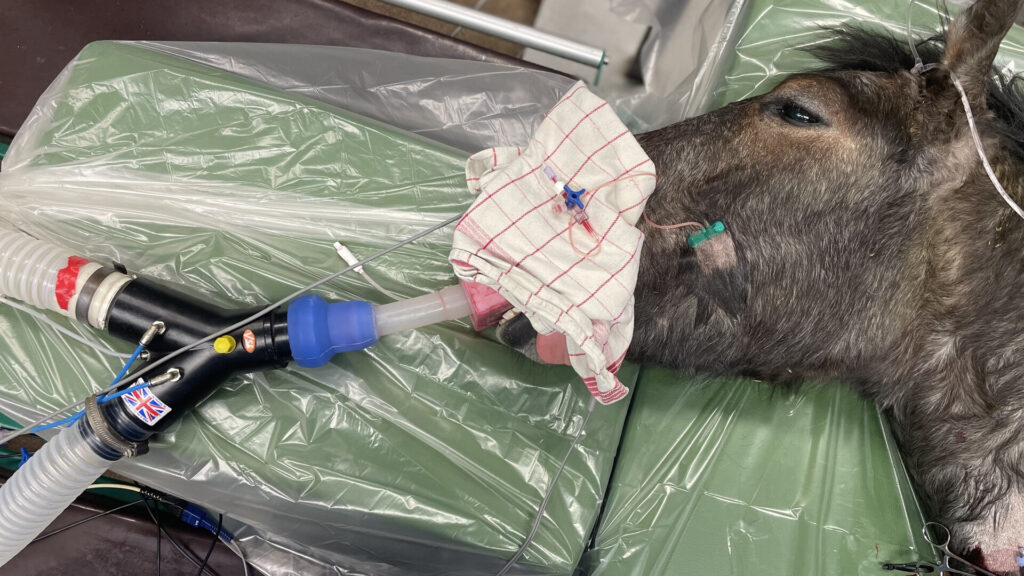
This module provides a structured and practical approach to performing general anesthesia outside the hospital setting. Field anesthesia in horses presents unique challenges, including limited equipment, variable environmental conditions, restricted monitoring possibilities, and the need to anticipate complications before they occur. The emphasis is therefore on careful preparation, appropriate case selection, safe drug use, and practical decision-making in a less controlled environment.
Topics include:
- Preparation – patient assessment, case selection, equipment checks, emergency planning, positioning, environmental considerations, and preparation of the induction and recovery area.
- Premedication – selection of appropriate sedative and analgesic combinations, assessment of sedation depth, and adaptation of protocols to temperament, procedure, and patient-related risk factors.
- Induction – practical induction techniques, drug selection, achieving a smooth and predictable transition to recumbency, and minimizing the risk of injury to the horse and personnel.
- Maintenance – options for maintaining anesthesia in the field, including injectable techniques and total intravenous anesthesia, with attention to anesthetic depth, duration, and cumulative drug effects.
- Monitoring – practical assessment of anesthetic depth, cardiovascular and respiratory function, perfusion, muscle relaxation, and early recognition of complications when advanced monitoring equipment is unavailable.
- Recovery – preparation for recovery, assessment of readiness, management of environmental risks, and strategies to promote a controlled and safe return to standing.
- Pain management principles – multimodal analgesia before, during, and after anesthesia, including the appropriate use of systemic analgesics and local or regional anesthetic techniques.
- Complication prevention and management – recognizing common problems such as hypoventilation, hypoxemia, hypotension, excessive anesthetic depth, prolonged recovery, and excitement during recovery.
- Practical decision-making in the field – determining when field anesthesia is appropriate and identifying situations in which referral to a hospital environment provides a safer alternative.
General information:
- Teacher: Charlotte Cuypers
- Duration: min 1 hour
Charlotte Cuypers, DVM, PhD